
 By Salary by Career

A solo consultant can launch with a laptop, a basic website, and an invoice template. By the end of the first week, the business looks ready. Its first client, however, may still be weeks away.
Starting cheaply has real value. It gives someone a way to test an idea without committing to a lease or buying equipment they may never need.
Still, we would want one more number before calling that launch low risk.
How much will the owner spend before the business can pay them?
Launch Price Is Only the First Number
Registration fees and a laptop are easy to count because they arrive at the beginning.
Monthly software subscriptions, professional liability insurance, and the cost of finding clients are easier to overlook because they keep arriving afterward.
It would be a good thing to consider an online store.
Skipping storefront rent sounds like a major saving, and it can be. Inventory, platform fees, and advertising still need funding.
Estimated startup costs for that type of business run between $5,000 and $50,000. That range describes a broad business model, not a price tag for every person selling online.
A consultant may spend far less to open. Then comes the awkward part: a website can go live in an afternoon, while a paying client has a schedule of their own.
Finding customers deserves more attention than the launch receipt.
In a 2024 survey of small employer firms, 57% said reaching customers was an operational challenge. A consultant can build a website over a weekend. A client has no obligation to appear on Monday.
We tend to trust a startup budget more when it includes the cost of getting the second customer, not just announcing the business to the first one.
Costs That Rarely Make It Into the Origin Story

People usually remember what they paid to launch. Few tell the story with the same enthusiasm about the bills that appear before the first sale.
Depending on the business, that early cash may need to cover:
- Work permits and legal fees needed to begin operating.
- Insurance premiums and utility deposits due before revenue arrives.
- Personal living expenses while the owner waits for a reliable paycheck.
Rent, groceries, and health coverage do not pause while an owner builds a client list.
Someone who leaves a salary to work full time on a new venture needs enough cash for life outside the business as well as its bills.
Location can change the figures. Insurance rates, utilities, license fees, rent, and taxes can vary by area. Even someone working at home may need to check local zoning rules.
In one survey of startup owners, 42% began with less than $5,000 in cash reserves. That sum might cover a modest launch. I would want to know how much is left after the first month’s business bills and the owner’s rent.
Our view is that customer acquisition deserves its own line in the budget.
Owners sometimes fund the opening and leave themselves very little to attract buyers. An attractive logo cannot introduce itself to enough customers.
Sales Can Arrive Before a Paycheck Does
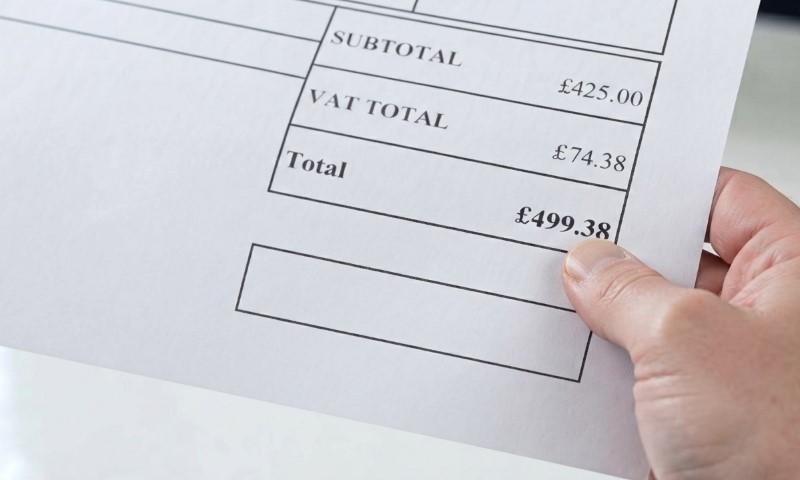
Imagine a consultant who bills $4,000 in a month. That figure is billed revenue, not money available for personal expenses.
If the client has paid and business costs total $1,200, the consultant has $2,800 in profit before taxes.
Setting aside a hypothetical $700 for taxes leaves $2,100 that could be taken as owner pay, assuming no other upcoming business bills need that cash. Actual taxes will depend on the owner’s circumstances.
The owner’s personal income ultimately depends on what the business actually collects, not on what it bills.
Now change one detail. Say the client pays next month.
Revenue has been billed, and the work may be profitable on paper, but the consultant cannot use an unpaid invoice to buy groceries today.
Early sales often arrive unevenly, and profitability may take longer than an owner expects. We would ask a new owner when clients are likely to pay, not only when they expect to make a sale.
A calendar can reveal a cash problem that an annual revenue forecast hides.
A Small Budget Leaves Less Room for Surprises
A lean launch can keep losses manageable if an idea fails to gain traction. It can also leave little cash to absorb a delayed contract, a broken laptop, or a supplier price increase.
Planning for three to six months of operating expenses is a useful benchmark.
Adding roughly 10% to 20% of estimated costs as a contingency gives unexpected bills somewhere to go. Neither figure guarantees a smooth start.
Both prompt an owner to ask what happens if the first few months cost more or earn less than planned.
Borrowing can fill a gap, but borrowed money adds interest, fees, and repayment dates to the monthly budget. We would be especially cautious about using a loan to cover a shortfall without knowing what changes before the next payment comes due.
A Better Question: How Long Can the Business Keep Going?
Start with three totals:
- What it costs to launch?
- What the business must pay each month?
- What the owner needs for personal living expenses?
Separate one-time purchases and recurring costs, get actual vendor quotes where possible, and revise estimates as prices become clearer.
Next, test the budget against a few ordinary setbacks:
- A first client arrives one month later than expected. Which bills still come due?
- Sales meet the forecast, but customers pay 30 days later than planned. How much cash is available in the meantime?
- A major purchase can wait three months. Does delaying it give the owner enough time to find out if customers want the product or service?
A cash flow test need not begin with a major lost contract. In a 2026 survey, 27% of owners said a missed payment under $5,000 had made payroll or bills harder to cover.
We would run that smaller delay through the budget too. An invoice does not have to be enormous to arrive at an inconvenient time.
Office space, elaborate branding, and equipment deserve a closer look before they consume early cash.
We do not think every new owner needs a large cash cushion before trying an idea.
A side business may have a different margin for error than a venture that must replace a full-time salary immediately.
Owners do need to know how long they can cover unavoidable bills without steady sales.
Closing Thoughts
A low launch cost makes an idea easier to try. It says less about the months that follow, when recurring bills meet uncertain income and the owner still needs a paycheck.
Before celebrating a $500 startup, I would put one more question beside that figure:
What will month six cost, and who pays for it if sales take longer than expected?
That question should be addressed as best as possible during the initial planning.