
 By Salary by Career

Picture a bookkeeper leaving an accounting firm to work with six clients on her own. She buys a laptop, pays for accounting software, puts up a website, and files the paperwork.
By the end of the month, she owns a business. She has no office and no plans to hire anyone.
Another founder might begin just as lean and later build a staff. Cassidy Winkler used AI to help research and launch a Pilates studio after spotting a gap in her local market. Her business eventually grew to 65 workers.
Both stories belong in a discussion of America’s startup boom. Neither looks much like the familiar pitch deck, venture capital, and plans to hire 100 engineers.
So when business applications rise, what exactly are Americans applying to build?
Business Applications Are Booming. What Do They Count?
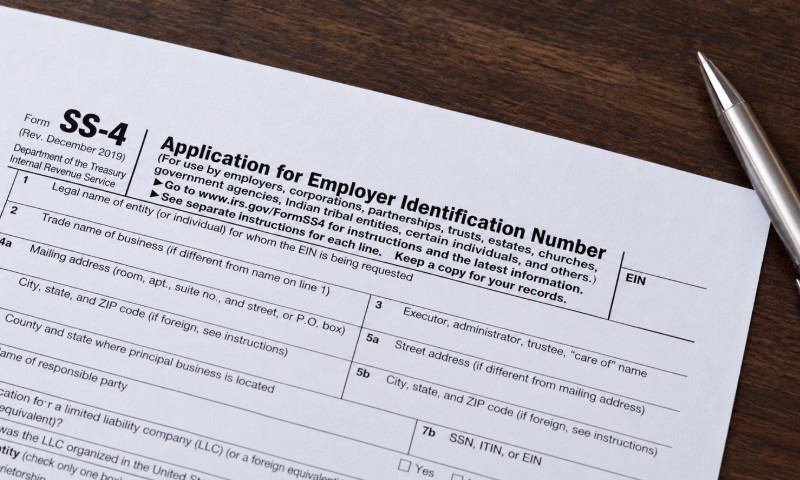
Americans filed 5.7 million applications to start businesses in 2025, the highest annual total in roughly two decades of Census Bureau tracking. Applications kept rising during the first half of 2026.
Most of those figures begin with applications for Employer Identification Numbers. Filing one indicates that somebody intends to start something. It does not establish that the business opened, found a customer, earned a profit, or hired an employee.
Census researchers track applications with a higher likelihood of becoming employers separately, along with applications that indicate planned wages.
A filing is a useful sign of intent. It cannot tell us when that bookkeeper collected her first invoice.
Many New Businesses Do Not Plan to Hire
Business applications were about 15% higher in June 2026 than a year earlier, while applications indicating plans to pay workers had declined. That gap suggests a growing share of prospective businesses expect to begin without employees. It does not tell us how many will hire later.
Some founders sell their own expertise as consultants, designers or bookkeepers. Others offer contracting, home care, therapy or fitness classes.
Online sellers can begin with a storefront on an existing platform. Software may help any of them handle work that once called for an assistant or an outside specialist.
Solo ownership is already a familiar arrangement. Of America’s 36.2 million small businesses, 29.8 million have no employees, according to federal small business figures.
That count describes existing businesses, so it should not be mistaken for a count of successful applicants in the current boom. It does show that a company with one owner and no staff is hardly an oddity.
For some of these startups, the first job created belongs to the owner.
AI Can Help a Founder Start Without a Staff
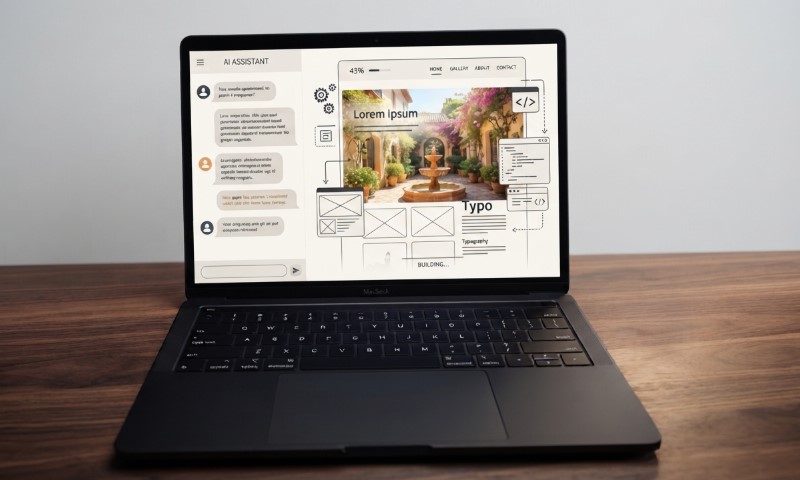
Talk of AI and startups can bring to mind companies building AI products. Yet a Pilates studio or bookkeeping practice can use the technology without selling it.
A founder might use AI to research competitors, draft marketing copy, organize communications or help build a website.
Digital tools can also take on parts of bookkeeping and administrative work. In a survey of 1,051 founders on Gusto’s platform, about 60% of those who started companies in 2025 said they used AI to help launch.
About half said it made starting faster or cheaper. Those are responses by surveyed founders, not a measure of every new business in America.
AI does not have to replace an employee if that employee was never hired. Still, cheaper tools alone cannot explain every new application. Evidence that AI is broadly displacing workers at established small businesses remains very limited, and founders have plenty of reasons to start a company beyond access to software.
Starting Can Be Cheaper Than Staying Open

A new owner can now build a website, prepare basic marketing materials and manage invoices without paying several specialists at the outset.
Working at home may also postpone the cost of office space.
Then ordinary business life begins. Customers need to be found. Prices have to cover more than the hours spent doing the visible work. Some invoices arrive late. Insurance, software, taxes, and other bills arrive with better punctuality.
This is where low startup costs can hide ongoing financial risk.
A cheap launch matters, especially to someone who could not afford a large initial investment. It simply answers one financial question: how much does it cost to open? Keeping the business going asks another.
Revenue Is Not the Owner’s Paycheck

Consider a solo consultant bringing in $8,000 a month. Software, advertising, insurance, and professional fees cost $1,500.
That leaves $6,500 before accounting for other obligations, including taxes, health coverage, and retirement savings.
A slow month or two weeks away may also reduce revenue.
Calling the $8,000 an income figure would make an employee comparison look easier than it is. Calling the $6,500 a paycheck would skip expenses and obligations the owner still has to handle.
A useful conversation with that consultant would start with the opening bill, then move to the following six months. It could go like this:
- How long did it take to find the first paying client?
- When did the owner first pay themselves?
- How much time goes to proposals, billing, and other work nobody pays for directly?
Those answers tell us more about the business than its filing date does.
A One-Person Business May Be Exactly the Plan
Growth is often pictured as a headcount: one worker, then five, then 20. Plenty of owners want that path. Others would see a full calendar and dependable personal income as success.
A CPA might prefer earning a good living over four working days each week to managing a large firm.
A contractor might want enough bookings to stay busy without spending the day supervising crews. A therapist may limit appointments deliberately.
None of those choices guarantees financial comfort. A solo owner can earn well, struggle or move between the two. Hiring can open up opportunities, but it also adds costs and management work. Owners have to decide which trade they want to make.
America is receiving more applications to start businesses.
To learn what that means for workers and owners, the next questions matter more than the filing count:
- which applicants open?
- which ones pay their owners?
- which ones hire?
- which ones never intended to?